How to heal PCOS
Eman mani · June 28, 2026
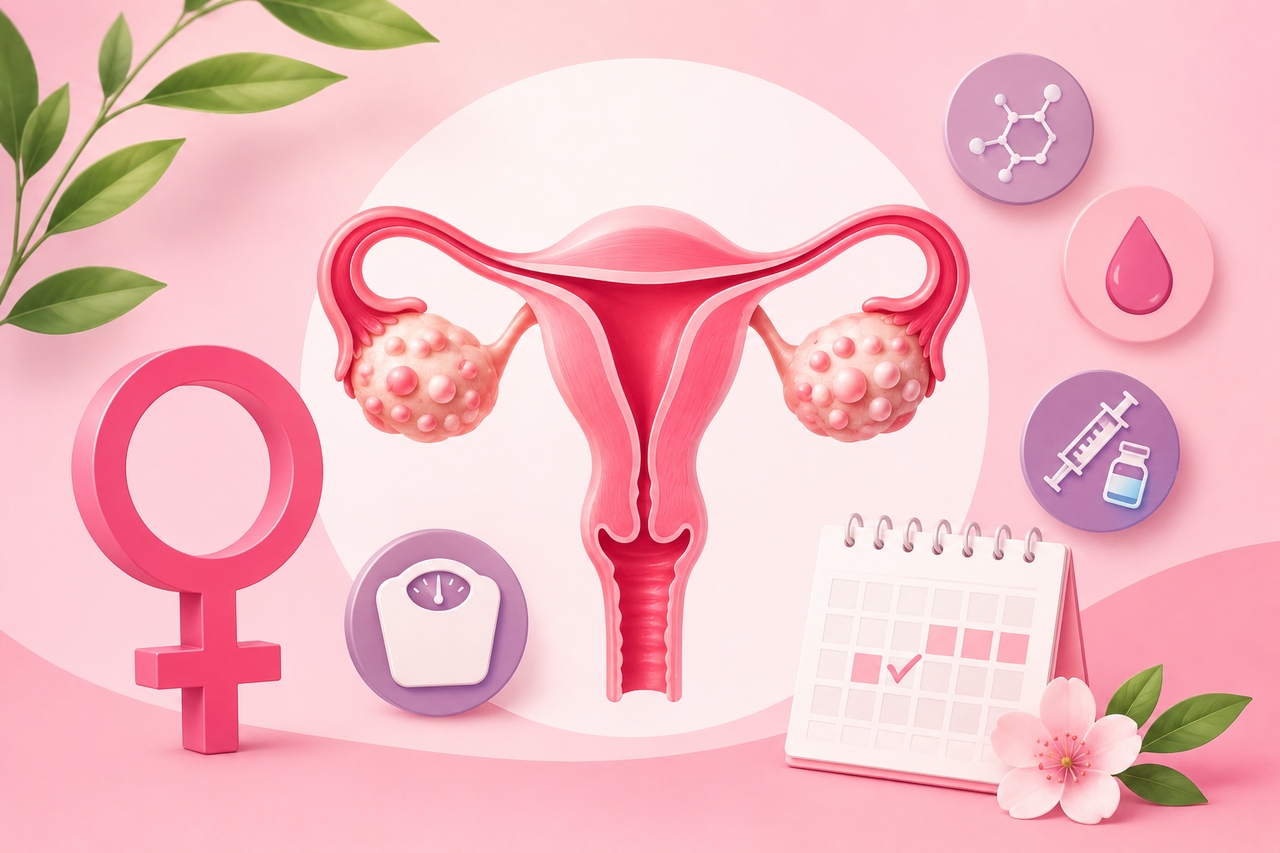
Here is the complete guide about PCOS,its causes,its symptoms and how you can choose some medical treatments for it
PCOS: The Silent Struggle Nobody Talks About Enough Let's be honest - most of us have either heard the term "PCOS" thrown around, or we know someone who has been quietly dealing with it for years. Maybe it's you. Maybe it's your sister, your best friend, or your colleague who just seems exhausted all the time. Polycystic Ovary Syndrome, or PCOS, is one of the most common hormonal conditions affecting women today - and yet, it remains one of the most misunderstood. This isn't just a "period problem." PCOS touches nearly every part of a woman's life - her mood, her weight, her skin, her fertility, and her confidence. If you've been searching for answers, or just want to understand what's really going on inside your body, keep reading. This is for you. So, What Exactly Is PCOS? PCOS is a hormonal disorder where the ovaries produce an excess of androgens - the so-called "male hormones" that women also have, just in smaller amounts. This hormonal imbalance disrupts the normal cycle of ovulation, and in some cases, small fluid-filled sacs (cysts) develop on the ovaries. But here's something important: not every woman with PCOS has cysts, and not every woman with ovarian cysts has PCOS. The name is a little misleading that way. What makes PCOS tricky is that it doesn't look the same in every woman. It's like a puzzle - and everyone's puzzle has slightly different pieces. Why Does PCOS Happen? The Root Causes PCOS doesn't come from one single place. It's more like a perfect storm of factors - biological, genetic, and lifestyle-related - all coming together at once. # Hormonal Imbalance At the heart of PCOS is an excess of androgens like testosterone. When these hormones are too high, they interfere with ovulation. The follicles that are supposed to release eggs get stuck, and instead of maturing properly, they sometimes turn into small cysts. # Insulin Resistance This is a big one, and it's often overlooked. Many women with PCOS have insulin resistance, which means their cells don't respond well to insulin. The body then produces more insulin to compensate, and higher insulin levels signal the ovaries to produce even more androgens. It's a cycle that feeds itself - and it also explains why blood sugar management plays such a huge role in PCOS treatment. # Genetics and Family History If your mother, aunt, or sister has PCOS - or even type 2 diabetes and irregular periods - your chances of developing PCOS increase significantly. It tends to run in families, though it doesn't mean it's guaranteed. # Chronic Inflammation Research has increasingly pointed to low-grade chronic inflammation as a contributing factor. When the body is in a state of ongoing inflammation, it can trigger the ovaries to produce more androgens, worsening the hormonal chaos. # Lifestyle and Environmental Factors Sedentary lifestyles, high-sugar diets, chronic stress, and exposure to environmental toxins (like BPA and certain pesticides) may not cause PCOS on their own, but they can worsen the condition in women who are already predisposed to it. The Symptoms: When Your Body Is Sending You Signals PCOS can show up in so many different ways, which is part of why it often goes undiagnosed for years. Women are told their symptoms are "normal" or "just stress." They're not. 1_Irregular or Missing Periods One of the most common signs. Cycles may be very long (more than 35 days), very short, unpredictable, or sometimes absent for months at a time. This happens because PCOS disrupts ovulation, throwing the whole menstrual cycle off balance. 2_Unexplained Weight Gain Many women with PCOS notice that they gain weight - especially around the belly - far more easily than others, and losing it feels incredibly difficult. This is closely tied to insulin resistance and a slower metabolism. 3_Acne and Oily Skin Adult acne, particularly along the jawline, chin, and cheeks, is a hallmark of hormonal imbalance. Excess androgens stimulate the oil glands, leading to stubborn breakouts that don't respond well to regular skincare. 4_Unwanted Hair Growth (Hirsutism) Excess facial or body hair - on the upper lip, chin, chest, or stomach - is another effect of elevated androgens. For many women, this is one of the most emotionally distressing symptoms. 5_Hair Thinning or Hair Loss On the flip side, while hair grows where it shouldn't, it may thin out on the scalp. This pattern of hair loss (similar to male-pattern baldness) can be particularly difficult to deal with emotionally. 6_Mood Changes, Anxiety, and Depression The hormonal rollercoaster of PCOS has a real impact on mental health. Many women with PCOS experience anxiety, depression, low self-esteem, and mood swings. And it's not just the hormones - the visible symptoms like weight gain, acne, and hair changes take a serious toll on confidence and emotional well-being. 7_Difficulty Getting Pregnant Because PCOS affects ovulation, it is one of the leading causes of female infertility. However - and this is important - most women with PCOS can get pregnant, especially with the right medical support. 8_Fatigue and Sleep Issues Feeling constantly tired, even after a full night's sleep, is something many women with PCOS describe. Some also develop sleep apnea, especially those who carry extra weight. 9_Getting a Diagnosis If you recognize yourself in the symptoms above, please don't self-diagnose. Book an appointment with your gynecologist or endocrinologist. A diagnosis is usually based on the Rotterdam criteria - meaning at least two of the following three must be present: Irregular or absent periods - Signs of excess androgens (either in blood tests or physical symptoms) - Polycystic ovaries visible on an ultrasound Blood tests will typically check hormone levels, insulin, blood sugar, and thyroid function to rule out other conditions that mimic PCOS. Solutions and Management: There Is a Way Forward Here's the part that actually gives hope - PCOS is manageable. It may not have a permanent cure, but with the right combination of lifestyle changes and medical support, most women with PCOS go on to live full, healthy, and even fertile lives. Lifestyle Changes: The Foundation of Everything Eat for Your Hormones A low-glycemic, anti-inflammatory diet makes a world of difference. This means cutting back on refined sugar, white bread, and processed foods, and instead filling your plate with vegetables, whole grains, lean proteins, and healthy fats. Think: lentils, eggs, leafy greens, berries, olive oil, and nuts. Move Your Body Regularly Exercise improves insulin sensitivity, helps with weight management, and boosts mood. You don't need to run marathons - even 30 minutes of brisk walking, yoga, or strength training five days a week can shift the hormonal balance meaningfully. Manage Stress Chronic stress raises cortisol, which further disrupts hormones. Practices like mindfulness, journaling, deep breathing, and therapy can genuinely help - not just as feel-good advice, but as medically relevant interventions. Prioritize Sleep Aim for 7-9 hours of quality sleep. Poor sleep worsens insulin resistance and hormonal imbalance. Consider your sleep hygiene: no screens before bed, a cool dark room, consistent bedtime. Medical Treatment Options Hormonal Birth Control Birth control pills are the most common medicines that doctors prescribe for women with PCOS. They regulate menstrual cycles, decrease the production of androgens and alleviate such symptoms as acne and excessive hair. Metformin A medicine for diabetes, it was later proved effective for the treatment of insulin resistance in women with PCOS. Metformin regulates periods and helps to lose weight and decrease the level of androgens. Anti-Androgen Medication Medications of this type such as spironolactone are used for alleviation of symptoms like acne, greasy skin and excess hair growth. Fertility Medications Letrozole and clomiphene are prescribed to those who have problems with fertility. In some cases, patients may choose in vitro fertilization. Supplements for PCOS Myo-inositol, omega-3, vitamin D, and magnesium seem promising for the treatment of PCOS. Final Thoughts: You Are Not Alone PCOS is not a death sentence; rather, it’s an illness that requires you to listen to your body and speak up for yourself within the healthcare system. Some days, this can feel empowering, while other days, it may be extremely draining. It is totally normal to feel both of those ways. One thing is for sure: It is crucial that you do not keep all of your frustrations inside. Communicate with your doctors, seek out communities of women like yourself, and give yourself grace because your body is doing its very best. If you think you might have PCOS, please contact a medical professional.