How to lower blood pressure naturally at home
Eman Mani · July 24, 2026
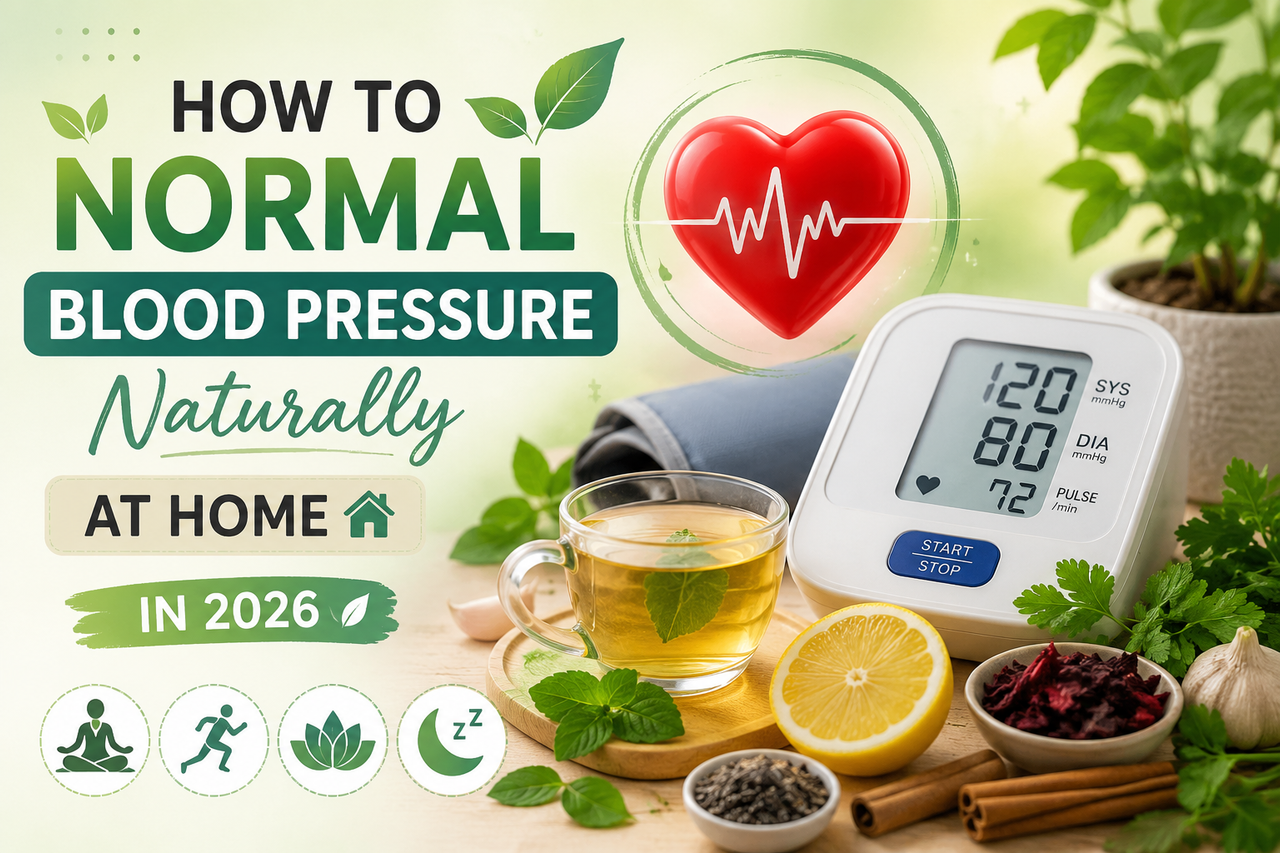
Here are the ways how can the blood pressure be lowered .
# How to Get Your Blood Pressure Back to Normal Naturally at Home (2026 Guide) High blood pressure affects nearly 50% of American adults, and the latest medical guidelines in 2025/26 emphasize that lifestyle modifications should be prioritized over pharmaceutical intervention. If your blood pressure is abnormal, the following steps should be taken at home to bring it back to normal as soon as possible. ### First of all, understand what blood pressure norms are According to the most recent guidelines, blood pressure levels are categorized as follows: Normal: Below 120/80 mmHg Elevated: 120–129/80 mmHg Stage 1 Hypertension: 130–139/80–89 mmG Stage 2 Hypertension: 140/90 mmG or higher For patients with stage 1 hypertension, doctors usually recommend making lifestyle changes for 3–6 months before initiating drug therapy. This approach is appropriate if a person does not have additional cardiovascular disease risk factors or a high cardiovascular risk assessment. If someone has two or more measurements at the level of stage 1 hypertension, they should consult a doctor and start home blood pressure monitoring. ### Reduce sodium and increase potassium intake The main dietary recommendation for reducing blood pressure is following the Dietary Approaches to Stop Hypertension (DASH) diet. This diet prioritizes the consumption of fruits, vegetables, whole grains, low-fat dairy products, and lean meats while limiting the intake of saturated fats and added sugars. Most significantly, a DASH diet is low in sodium (less than 2,300 mg per day), salty foods, and processed meats. Another essential principle of the DASH diet is increasing the intake of potassium-rich foods. Potassium helps eliminate excess sodium from the body, thus reducing blood pressure. Foods rich in potassium include leafy green vegetables, sweet potatoes, bananas, beans, and avocados. ### Include regular physical activity in your routine Physical activity is an excellent way to reduce blood pressure, and the good news is that it doesn’t have to be intense. Moderate exercise, such as brisk walking, can also help lower blood pressure. Doctors recommend aiming for at least 20–30 minutes of physical activity per day to reduce sodium levels in the body. Strength training exercises can be included at least two times a week. It is better to break up a daily workout into short intervals and do them regularly rather than getting all the required activity at once. Besides exercise, an individual can significantly benefit from simply taking the stairs instead of the elevator and walking to nearby shops instead of driving. ### Limit alcohol consumption One of the most surprising updates in the latest guidelines is the recommendation to stop drinking alcohol. Previous guidelines suggested that it was safe for a person to consume up to two drinks per day, but there is no safe level of alcohol consumption when it comes to blood pressure. The new guidelines advise to limit alcohol consumption as much as possible. ### Lose excess weight Excess weight can be a significant contributor to high blood pressure. Losing even 5–10% of body weight can improve blood pressure levels. It is critical to take a gradual and balanced approach to weight loss rather than trying to lose weight as quickly as possible. Gradual changes are more likely to lead to sustainable results. ### Get enough sleep and reduce stress Two additional measures recommended by doctors to reduce blood pressure are getting enough sleep and reducing stress. Chronic stress and insufficient sleep increase blood pressure since the body is in a constant state of tension. These two factors also have a considerable impact on mental health since sleep deprivation and elevated stress levels contribute to the development of depression and anxiety. The best way to address these issues is to get at least 7–9 hours of good-quality sleep per day, take short breaks when needed, and try breathing or meditation exercises. ### Measure blood pressure at home One of the most critical but overlooked recommendations for reducing blood pressure is to measure it at home. Wearing a blood pressure monitor on a regular basis is a far more effective method of obtaining accurate information about blood pressure levels than a chance reading at the doctor’s office. It allows to determine how often and why a person’s blood pressure fluctuates. In addition, the latest guidelines advise conducting ambulatory blood pressure monitoring. When measuring blood pressure, it is essential to sit down for a few minutes before taking a reading. While sitting, the back and feet should be supported, and the arm should be at heart level. It is vital to avoid consuming caffeine or smoking 30 minutes before the test. Blood pressure levels should be read in the morning and evening at the same time every day, and the results need to be reviewed to see the trends on a daily basis. ### Consider drug therapy options if conservative measures fail If lifestyle modifications do not result in adequate blood pressure reduction, doctors recommend turning to drug therapy. Most often, drug treatment for hypertension is indicated when blood pressure remains at the level of 130/80 or higher despite lifestyle changes. In this case, medication should be taken as prescribed by a healthcare provider. The choice of drugs and the optimal individual dose can only be made by a doctor, since there are many different drugs for lowering blood pressure. It is noteworthy that drug therapy does not exclude making the necessary dietary and lifestyle changes; on the contrary, the principles of the DASH diet should be implemented regardless of whether medication is taken. Doctors have found that the combination of dietary changes, physical activity, and drug therapy lowers blood pressure most effectively. ### Summary There is no magic pill or exclusive diet that will reduce blood pressure in a matter of days. However, the recommendations described above have been proven to be beneficial for reducing blood pressure. They are all simple, practical, and can be integrated into everyday life easily. Lifestyle changes always come before prescription medication, and the primary goal is to reduce blood pressure to normal levels to reduce the risk of serious health problems, such as heart disease or stroke.