How to reduce sun tan in summers
Eman mani · July 5, 2026
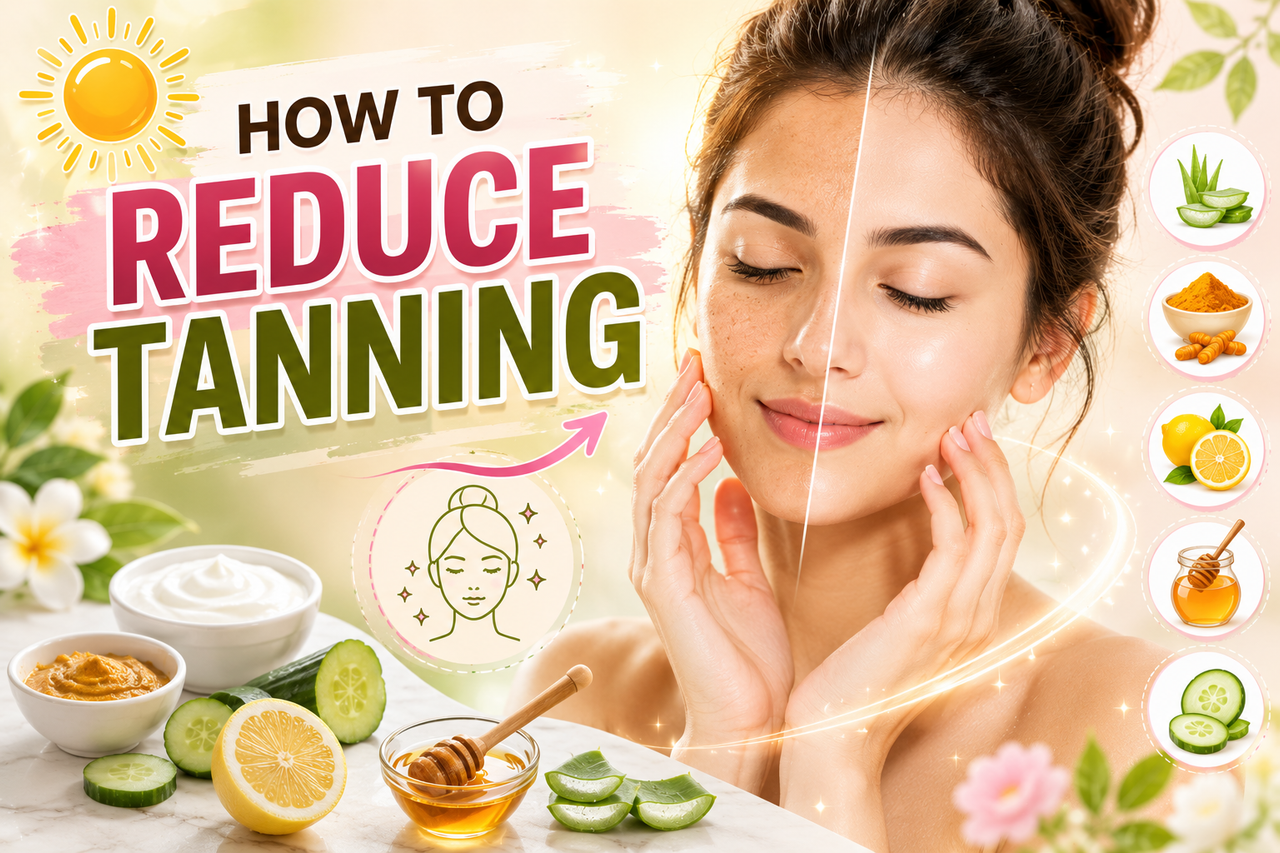
Best and evidence based working ideas to reduce tanning and make skin brighter
Remove the sun tan you've acquired over summer and beyond with these proven methods! Getting tan is not just harmful, but once acquired, this may be rather embarrassing to get rid of. What can you do? Let's look at some scientifically proved methods for reducing and reversing a sun tan. What is a tan anyway? When the UVA and UVB rays penetrate the skin, it produces the pigmentation melanin, to shield cells from DNA damage. This is when we've got a tan. Though a tan doesn't fade immediately, you'll be able to fade tan by supporting your skin renewal. Here is how you'll be able to reduce and reverse your tan. What is a tan? A tan is essentially a group of dead cells full of excess melanin in the top-most layer of the epidermis of your skin. These are dead skin cells in the outer layer that get shed naturally within 4-6 weeks. The remedies below basically speed up this cycle, or shield and heal your skin. How to Get Rid of Sun Tan - DIY and professional treatments Best remedies to get rid of tan and its side-effects: The key is to gently remove the dead, pigmented cells to reveal fresh and clear skin underneath. You will be surprised that these remedies aren't too complicated, and may even be readily available at your house. So, what are you waiting for? Here’s everything you need to know about getting rid of that sun tan! 1. Exfoliate to Speed Up Renewal: As tanned skin is a cluster of dead, melanin-rich skin cells, exfoliation is a sure-fire way to speed up fading. "Physical exfoliation with something like a gentle washcloth, konjac sponge or mild scrub two to three times a week will help to physically slough away pigmented dead skin cells," Chemical exfoliation using ingredients such as AHAs (glycolic, lactic or mandelic acid) will help to chemically dissolve the bonds between the cells in the outer layer of the epidermis," she adds. - - Avoid over-exfoliating as it can damage skin barrier and further worsen tan or pigment spots. 2. Use Vitamin C Serums to Fade: Vitamin C is known for its illuminating effects on the skin and works brilliantly to combat pigmentation like a tan or age spots. - it works by inhibiting the production of melanin and is a powerful antioxidant that helps to neutralize free radicals damage caused by sun. "A stabilized Vitamin C derivative serum (like sodium ascorbyl phosphate or ethyl ascorbic acid) at 10-20% concentration will make a significant difference," It's best applied during the morning under sunscreen, as it will enhance protection against free radicals damage, while you are out in the sun. 3. Harness the Power of Niacinamide: Also known as Vitamin B3, niacinamide has strong clinical evidence behind it as a pigmentation-fighting powerhouse. - It slows the migration of melanosomes (cells that contain melanin) into other skin cells, which ultimately reduces the appearance of tan. It also improves the barrier function of the skin and has an anti-inflammatory effect which will prevent the tan from setting into a permanent pigment. "This ingredient can be found in a lot of products at 5-10% concentration and can be used day or night," It helps to prevent the development of hyperpigmentation". 4. Retinoids: For a complete overhaul and accelerated shedding of tanned and photodamaged skin, retinoids are one of the best. They are the MVP when it comes to cell turnover. - By promoting faster cell shedding and synthesis of new cells, they can quickly make pigmented cells shed off from the top of the epidermis, to get you rid of tan and even reduce long term sun-damaged issues like dark spots. "It takes weeks to see the results of retinoids for tan correction, but when it works, it works best for any form of discoloration including sun tan, hyperpigmentation or melasma," Use 0.25 to 0.3% retinol cream and only 2-3 times a week initially to build tolerability. You will need to wear sunscreen the morning after. 5. Aloe Vera: While aloe vera won't magically lighten a tan overnight, it is effective in soothing and repairing skin after exposure to the sun. "It helps to calm irritation, reduces inflammation, and can have a slight brightening effect thanks to an ingredient called aloin, which has been studied for its ability to lighten hyperpigmentation." Use fresh, pure aloe vera gel after any sun exposure to speed the healing process and aid in fading tan. 6. Hydrate your skin-from the inside out. UV rays dry out skin, and dried-out skin appears tanner, flatter and less radiant since light reflection becomes scattered, cell renewal is retarded. - drink enough water during the day. -apply a moisturizer that is rich in hyaluronic acid, ceramides, or glycerin to plump skin and keep the skin's barrier healthy. If skin isn't well-hydrated, old, tanned skin cells can shed much faster. 7. Lactic Acid and Yogurt-Based Masks Lactic acid-a member of the alpha hydroxy acids family, which is derived from dairy products- gently removes the outermost skin cell layer. This offers a modest illuminating effect, too. Even a plain unsweetened yogurt applied to your face for about 15 to 20 minutes would offer mild, transient skin illumination as a supplement to other skin brightening agents-though certainly less effective than prescribed treatments by an actual doctor or skincare professional. 8. Kojic Acid and Azelaic Acid Both agents have well-studied roles in inhibiting tyrosinase and treating hyperpigmentation: • Kojic acid-derived from fungal cultures, it brightens sun damage and the tan it causes over time (typically 2 to 4 percent concentration). • Azelaic acid (often 10 to 20 percent concentration)-gentler and a great addition for patients prone to acne and inflammation. Safe for pregnant skin (consult doctor first, though) and sensitive skin types, this can be a safe choice for most patients. 9. Use Sunscreen religiously (even while working on a tan). This is hands-down the most ignored "treatment." The secret weapon to overcoming a tan-you absolutely can't tackle a tan without slathering on the protection factor. -wear SPF 30-50 + broad-spectrum sunscreens daily, and wear them around windows or on cloudy days too! - reapply them every 2 to three hours. - mineral and physical sunscreens, which use the mineral ingredients zinc oxide or titanium dioxide, may be best for the already damaged skin of a tanned complexion. If you do not commit to daily sunscreens, tan fading routines will move much more sluggishly or not at all. 10. Professional treatments for stubborn tans If your tanning continues or doesn't fade after a few weeks, it may be time for medical intervention. -chemical peeling -- a glycolic acid, salicylic acid, or TCA peel may strip layers of tanned, damaged skin. --LASER therapy-- a variety of lasers-including Q-switched lasers- target and destroy melanin pigments directly. -microdermabrasion -- This mechanical exfoliation technique removes the top layer of dead skin cells. Medical treatment could exacerbate your problem if your skin is very sensitive or very darkly pigmented. 11. Diet and antioxidants Diet alone is not going to make you shed a tan. But specific nutritional components will contribute to cellular repair, potentially reducing skin inflammation from sun exposure. -Lycopene-found in the red color of tomatoes and watermelons-has been studied for its ability to block skin UV exposure. -Beta-carotene--found in carrots and sweet potatoes--helps skin function healthily overall. - polyphenols-the substances that provide color to dark berries and tea- act as free radical antioxidants to protect skin from sun exposure. These should be consumed on a daily basis but won't offer an immediate fix to your tan. ## What doesn't work (common tan removal myths) •Applying lemon juice directly to the skin. Lemons aren't "naturals" for skin care - their acids burn and strip your skin when they're directly applied before going out into the sun. •Baking soda scrubs. It's too alkaline and rough, which will only strip your skin - without even helping with a tan. • Toothpaste. It can cause chemical burns and doesn’t get rid of a tan, period. ## Realistic Time Frame •Shallow tans fade within a week or two, as our skin cells constantly turnover (our outer layer typically renews every 28–40 days). •A deeper tan may take four to eight weeks with consistent exfoliation and targeted treatments like retinoids or vitamin C. •Stubborn, dark-tan patches might require professional care. The Takeaway Use gentle exfoliants, potent actives (like vitamin C and niacinamide), a hefty dose of hydration, and diligently slather on broad-spectrum sunscreen (which, of course, prevents a tan in the first place!) for the surest and safest route to fading your tan and leveling out your skin tone.